Cellcomm Solutions


Redefining Connectivity with
Smarter IoT Technology!

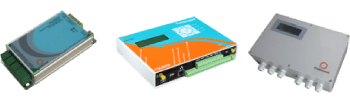
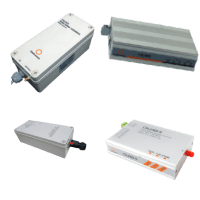
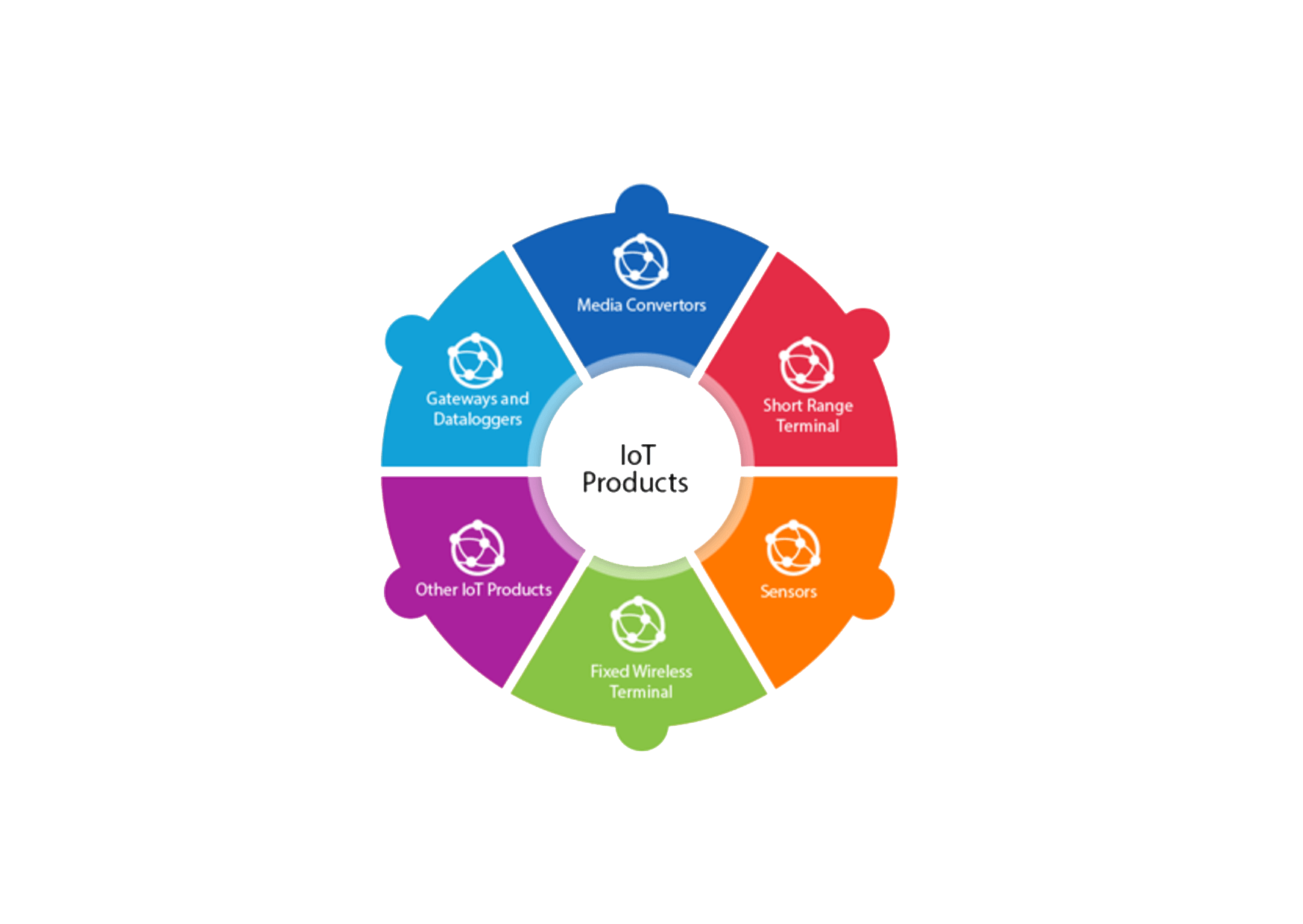
The Internet of Things (IoT) ecosystem is a complex, interconnected network of devices and technologies that work together to gather, transmit, and analyze data, enabling smarter decisions, increased automation, and enhanced efficiency across various sectors. IoT has revolutionized industries by providing real-time visibility, predictive analytics, and data-driven insights that lead to optimized operations, improved safety, cost reduction, and enhanced user experiences. Key IoT products such as data loggers, gateways, media converters, and Field IO controllers play essential roles in this ecosystem, each serving a specific purpose to enable seamless communication, data flow, and processing within an IoT architecture.

These devices act as the vital links between the physical world of sensors, actuators, and devices, and the digital realm where analytics, cloud computing, and control systems come into play. By facilitating seamless data collection, transmission, and interpretation, these components allow industries to gain deep insights into their operations, automate processes, and make more informed decisions.

How Does It Works?

IoT devices operate through a series of steps to collect, transmit, process, and act on data. First, sensing and data collection occurs through sensors like data loggers and Field IO controllers that capture environmental data such as temperature, humidity, or motion. This data is then transmitted via gateways or media converters to a central platform for analysis. Data processing and analysis can occur through edge computing, which processes data locally for faster decision-making, or cloud computing, where data is aggregated and analyzed for insights. Based on the analysis, automation and control are implemented, allowing devices like smart thermostats or irrigation systems to take actions such as adjusting temperatures or activating sprinklers. Continuous feedback and monitoring occur through alerts, notifications, and user dashboards to track system performance and address issues promptly. IoT systems can also integrate with other enterprise systems, such as ERP or CRM, using APIs and ensuring compatibility with legacy systems. Finally, security and privacy are maintained through encryption, authentication, and firmware updates, ensuring the safe and reliable operation of IoT devices.

Benefits of IoT Products

IoT products offer numerous benefits that enhance efficiency, automation, and data-driven decision-making across various industries. Here are some key benefits:

  1. Enhanced Efficiency: IoT products streamline operations by automating tasks and enabling real-time monitoring, reducing human intervention and optimizing processes for better productivity.

  2. Cost Savings: By automating routine tasks, improving resource management, and enabling predictive maintenance, IoT products help businesses reduce operational costs and prevent costly downtime.

  3. Improved Decision-Making: Real-time data collection and analysis from IoT devices provide actionable insights that support data-driven decision-making, helping businesses respond faster to market changes or operational challenges.

  4. Better Asset Management: IoT products enable the tracking and management of assets in real time, improving inventory management, reducing losses, and ensuring the proper functioning of equipment.

  5. Remote Monitoring and Control: IoT devices allow for remote monitoring and control of systems, machines, or environments, which is especially useful in industries like manufacturing, agriculture, and healthcare.

  6. Predictive Maintenance: IoT products can detect early signs of equipment failure, allowing businesses to perform maintenance before issues escalate, which reduces downtime and extends the lifespan of machinery.

  7. Enhanced Customer Experience: In consumer applications, IoT products enable personalized experiences, such as smart home devices adjusting settings based on user preferences or behavior.

  8. Better Energy Management: IoT devices help optimize energy consumption by monitoring usage patterns and making adjustments in real-time, leading to energy savings and more sustainable operations.

  9. Increased Safety and Security: IoT products, such as smart locks, security cameras, and alarm systems, enhance safety and security by providing real-time alerts and enabling remote monitoring.

  10. Scalability: IoT systems can be easily scaled as businesses grow, adding more devices or functionalities to meet increasing demands without requiring significant infrastructure changes.

In summary, IoT products provide valuable benefits like improved efficiency, cost savings, enhanced decision-making, better asset management, and greater safety, making them indispensable for modern businesses and industries.

 
  • Quad Band
  • Interfaces: RS232/RS485/SDI12/LAN
  • Dual SIM
  • 16 DI, 4 DO, 6 DO
  • Analog Input : 4~20mA/0~5V
  • Digital Output : Upto 200mA@12V
  • Data Storage: 32 GB
  • Display and Keyboard for Configuration &
  • Monitoring
  • Ideal for Outdoor Applications
  • Quad Band
  • Dual SIM
  • 2G – 4G Bands
  • Interfaces – RS 232, RS 485, LAN
  • 2 DI, 2 AI
  • Weatherproof Enclosure
  • Point – Point, Point – Multi Point
  • Battery powered, MODBUS RTU –MODBUS TCP, Short Range RF Gateway


  • Serial Interfaces : RS 232,RS485
  • Communication Protocol : MODBUS RTU
  • 8 DI, 4 AI, 4 DI


  • Power : USB Powered /Input Power -824VDC
  • Isolation : Data Line and Input Power
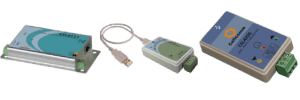
  • Serial to Ethernet Converter
  • USB – SDI-12 Converter
  • USB TO RS 485 Converter
  • RS 232 TO RS 485 Converter
Translate »